Introduction
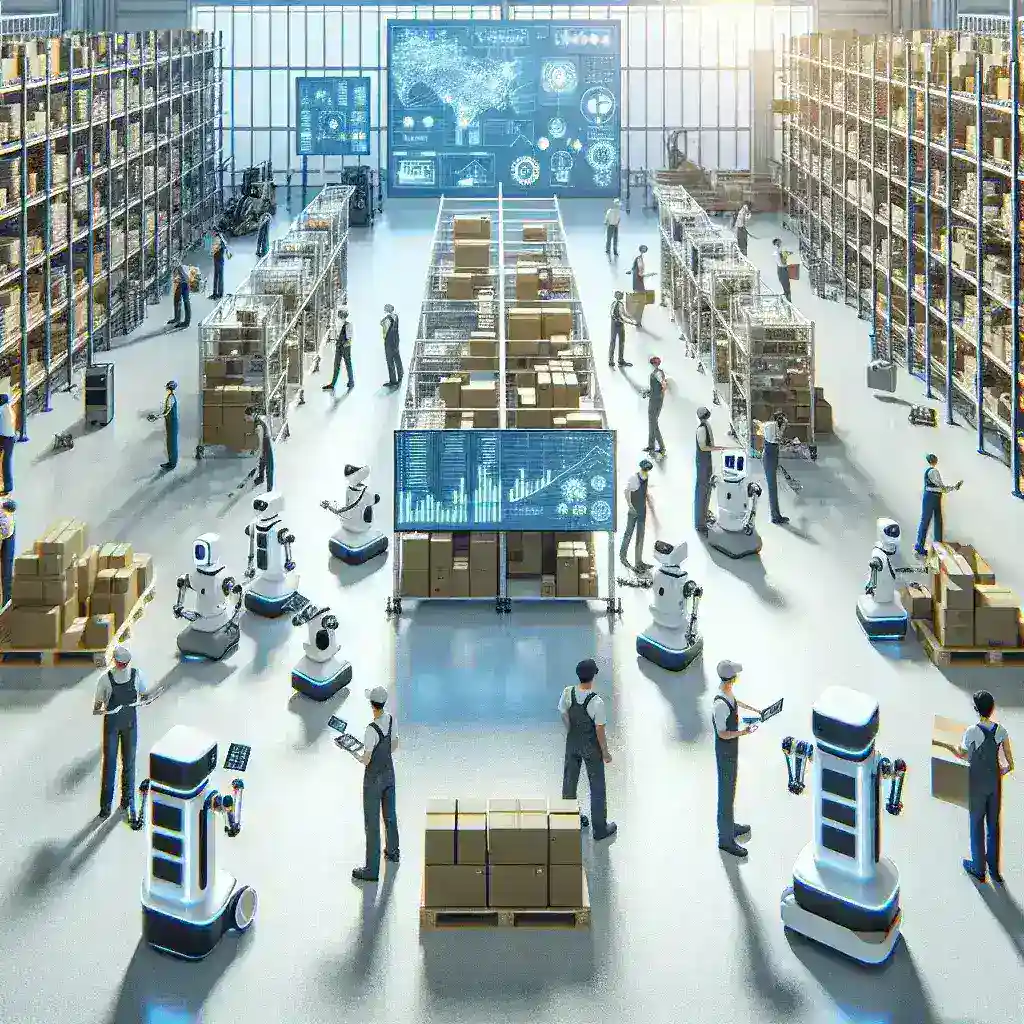
In today’s fast-paced e-commerce environment, the demand for rapid and efficient order fulfillment is higher than ever. To meet this challenge, warehouse automation systems have emerged as a game-changing solution. By integrating human workers with advanced robotic systems, these technologies not only streamline operations but also enhance productivity and accuracy. In this article, we will delve into how warehouse automation systems coordinate human-robot teams, the benefits they bring, and their potential future evolution.
The Evolution of Warehouse Automation
The concept of warehouse automation isn’t new; it has evolved significantly over the years. From the introduction of simple conveyor belts to sophisticated automated guided vehicles (AGVs) and robotic arms, the landscape of warehousing has transformed dramatically. The need for efficiency has driven this evolution, with warehouses seeking to reduce costs and improve order accuracy.
Historical Context
Historically, warehouses relied heavily on manual labor for order picking and inventory management. As e-commerce began to take off in the late 1990s and early 2000s, companies realized the limitations of traditional methods. The advent of technologies like barcode scanning and inventory management software marked a significant shift, paving the way for more advanced automation solutions.
Modern Automation Technologies
Today’s warehouse automation solutions leverage a mix of artificial intelligence (AI), machine learning, and robotics. Automated storage and retrieval systems (AS/RS), robotic picking systems, and autonomous mobile robots (AMRs) are now commonplace in many warehouses. These technologies work in harmony with human workers to create a collaborative environment that maximizes efficiency.
How Human-Robot Collaboration Works
The integration of human and robotic teams is key to the success of warehouse automation. Here’s how these systems typically coordinate:
- Task Allocation: Automated systems assess the workload and assign tasks to robots and humans based on their respective strengths. Robots handle repetitive tasks such as transporting goods, while humans focus on complex decision-making and troubleshooting.
- Real-Time Communication: Advanced software platforms facilitate seamless communication between human operators and robots. This allows for real-time updates on inventory status and task progress.
- Safety Protocols: Safety is paramount in any warehouse setting. Automation systems are designed with multiple safety features to protect human workers while allowing robots to operate efficiently. Sensors and cameras help robots navigate the warehouse safely, avoiding obstacles and ensuring a secure working environment.
Benefits of Coordinated Human-Robot Teams
The benefits of coordinating human-robot teams in warehouse settings are immense:
1. Enhanced Productivity
By automating repetitive tasks, workers can focus on more complex responsibilities, driving overall productivity. Studies show that warehouses utilizing automation experience up to a 30% increase in throughput.
2. Improved Accuracy
Automation significantly reduces human error in order picking and inventory management. Robots equipped with advanced vision systems can identify and sort products with high precision, leading to fewer mistakes.
3. Reduced Labor Costs
While the initial investment in automation technology can be substantial, the long-term savings in labor costs make it a worthwhile investment. Automation can help reduce the workforce needed for repetitive tasks, allowing businesses to redirect resources toward growth and innovation.
4. Scalability
Warehouse automation systems are designed to be scalable. As businesses grow, they can easily integrate additional robots or expand existing systems to meet increasing demand without significant overhauls.
Challenges to Consider
Despite the numerous advantages, there are challenges associated with implementing warehouse automation systems:
1. High Initial Investment
The cost of acquiring and maintaining automation technology can be a barrier for many businesses. However, it’s essential to view this as a long-term investment.
2. Employee Resistance
Change can be challenging, and some employees may resist the integration of robots into their workflow. Effective training and communication can help ease this transition.
3. Integration Issues
Seamlessly integrating new automation systems with existing warehouse operations can be complicated and may require specialized expertise.
Future Trends in Warehouse Automation
As technology continues to evolve, so too will warehouse automation systems. Here are some trends to watch:
1. Increased Use of AI and Machine Learning
Artificial intelligence will play a significant role in future automation, enabling systems to learn from data and optimize operations accordingly.
2. Advanced Robotics
As robotics technology advances, we can expect more sophisticated robots that can handle a wider range of tasks, including complex decision-making processes.
3. Collaborative Robots (Cobots)
Cobots are designed to work alongside human employees, offering assistance and support. This trend will likely grow as businesses look for ways to enhance collaboration.
4. Sustainability Initiatives
With a growing focus on sustainability, future automation systems will incorporate eco-friendly practices, such as energy-efficient robots and sustainable packaging solutions.
Conclusion
Warehouse automation systems that coordinate human-robot teams are revolutionizing the logistics industry. By enhancing productivity, improving accuracy, and reducing costs, these systems are paving the way for the future of warehousing. While challenges exist, the advantages far outweigh the drawbacks, making automation an essential consideration for modern businesses. As technology continues to advance, the collaboration between humans and robots will only become more seamless, driving further innovation in the field of order fulfillment.