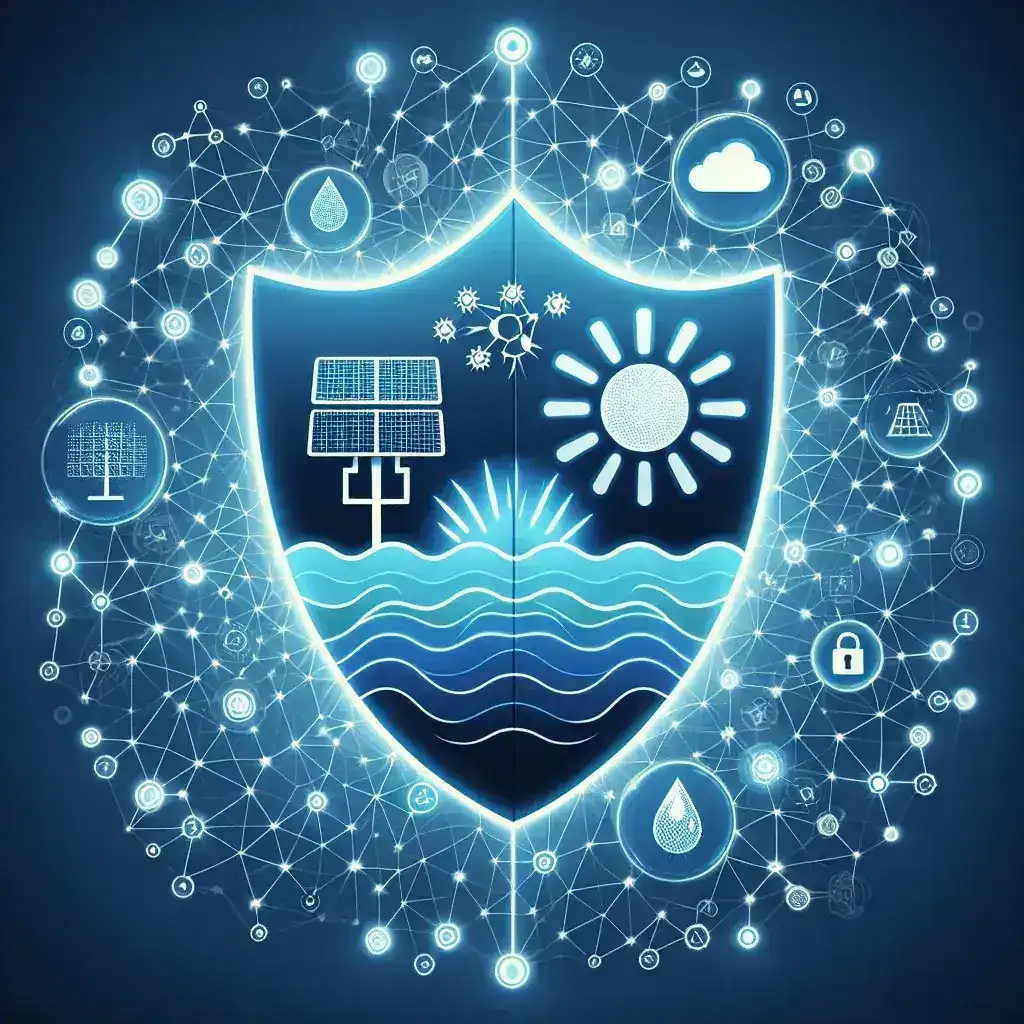
Understanding Smart Inverters
Smart inverters play a critical role in modern renewable energy systems, especially solar and wind energy. They not only convert direct current (DC) into alternating current (AC) but also enhance grid stability, provide voltage support, and enable advanced communication capabilities. With the increasing deployment of renewable energy resources, the importance of implementing effective risk mitigation policies for smart inverters cannot be overstated.
The Need for Risk Mitigation Policies
As the integration of smart inverters into energy systems grows, so do the associated risks. These include:
- Technical Risks: Failure of the inverter, compatibility issues, or software malfunctions.
- Operational Risks: Inadequate response to grid disturbances or changes in demand.
- Regulatory Risks: Compliance with evolving standards and regulations.
- Financial Risks: Cost overruns or unexpected expenses related to inverter management.
Historical Context
The evolution of smart inverters dates back to the early 2000s when the first wave of grid-tied inverters began to emerge. Over the years, advancements in technology led to the development of smart functionalities that allow for enhanced grid interaction. However, with these advancements also came challenges such as cybersecurity threats and integration hurdles. The historical context reveals that proactive measures are essential to address these challenges effectively.
Policy Options for Risk Mitigation
1. Standardization of Technologies
One of the most effective ways to mitigate risks is through standardization. Establishing uniform standards for smart inverter technology ensures compatibility across different systems and reduces the likelihood of technical failures. Regulatory bodies can collaborate with industry stakeholders to create clear guidelines.
2. Enhanced Cybersecurity Measures
As smart inverters become more interconnected, the risk of cyber threats increases. Implementing robust cybersecurity measures is crucial. This includes:
- Regular software updates and patches.
- Advanced encryption protocols.
- Continuous monitoring for abnormal activities.
3. Incentives for Research and Development
Governments and regulatory agencies can promote research and development in smart inverter technologies by offering grants or tax incentives. This encourages innovation and helps address potential vulnerabilities before they become significant issues.
4. Training and Education Programs
Training programs for technicians and operators can significantly reduce operational risks. Well-trained personnel are better equipped to manage smart inverters and respond to unexpected situations. Educational initiatives can include:
- Workshops on system integration.
- Simulations for emergency response.
- Training on regulatory compliance.
5. Comprehensive Insurance Policies
Insurance policies tailored for smart inverter projects can help mitigate financial risks. These should cover aspects such as technical failures, operational mishaps, and potential liabilities resulting from non-compliance.
Future Predictions
As the energy landscape continues to evolve, the role of smart inverters will become increasingly vital. Future predictions suggest that:
- Smart inverters will become more autonomous, requiring less human intervention.
- Integration with artificial intelligence will enhance their operational efficiencies.
- Regulatory frameworks will become more stringent, demanding higher levels of performance and reliability.
Comparison of Policy Options
When assessing risk mitigation policies, it is essential to evaluate their effectiveness and feasibility. The table below compares various policy options:
| Policy Option | Effectiveness | Feasibility |
|---|---|---|
| Standardization | High | Medium |
| Cybersecurity Measures | High | High |
| R&D Incentives | Medium | High |
| Training Programs | Medium | Medium |
| Insurance Policies | High | Medium |
Conclusion
In conclusion, smart inverters represent a significant advancement in renewable energy technology. However, the associated risks must be managed through comprehensive policy options. By focusing on standardization, cybersecurity, research and development, education, and tailored insurance, stakeholders can effectively mitigate risks and ensure a stable and sustainable energy future.