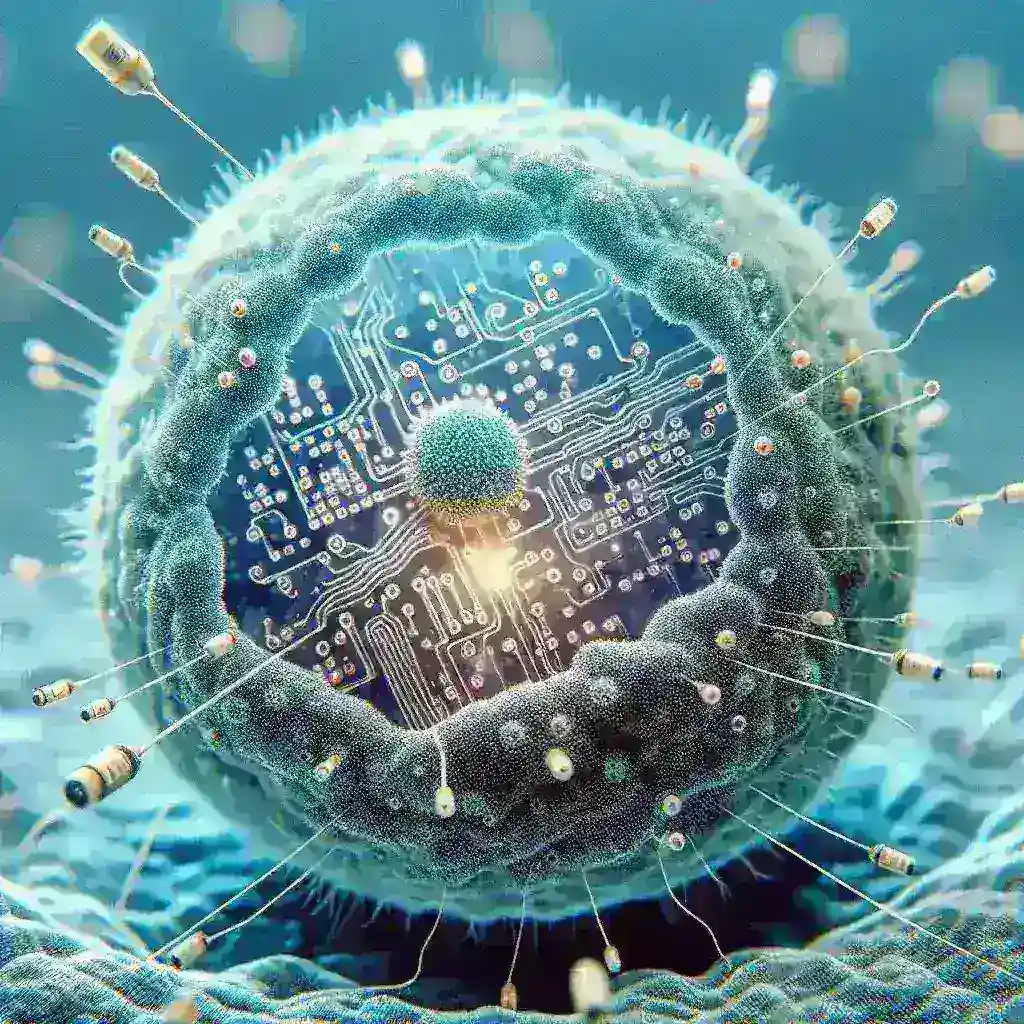
Introduction to Biocomputing
In the rapidly evolving landscape of technology and biology, biocomputing emerges as a transformative field that combines principles of computation with biological systems. This innovative approach leverages engineered cells to perform complex information processing tasks, paving the way for new solutions in areas such as data storage, disease detection, and synthetic biology.
What is Biocomputing?
Biocomputing refers to the use of biological materials—specifically living cells—to execute computational processes. By manipulating the genetic makeup of these cells, scientists can create biological circuits that perform operations similar to those conducted by traditional computing systems. The foundation of biocomputing lies in understanding how biological systems process information and translating these processes into functional computational frameworks.
The Historical Context of Biocomputing
The concept of using biological systems for computation isn’t entirely new. Early studies in the 1990s began exploring the idea, but it wasn’t until advancements in genetic engineering and synthetic biology that the field gained significant traction. Researchers harnessed tools like CRISPR and other gene-editing technologies to create cells with programmable behaviors.
Applications of Engineered Cells in Biocomputing
- Data Storage: Engineered cells can be utilized to store vast amounts of data in a highly compact form, utilizing DNA sequences as a medium for information storage.
- Medical Diagnostics: Biocomputing can aid in the detection of diseases at a cellular level, allowing for rapid and accurate diagnostics through engineered cells that respond to specific biomarkers.
- Environmental Monitoring: Engineered cells can be designed to detect pollutants or other environmental changes, providing real-time data for environmental management.
- Drug Development: The ability of engineered cells to simulate human responses can accelerate drug discovery processes, leading to more effective therapeutic solutions.
How Engineered Cells Process Information
Engineered cells operate by processing signals and producing outputs based on their genetic circuits. These circuits can be designed to respond to various stimuli, such as light, temperature, or chemical signals. For instance, a cell could be programmed to fluoresce in the presence of a particular pathogen, effectively translating biological data into a visual signal that can be interpreted by researchers.
A Step-by-Step Guide to Understanding Engineered Cells
- Step 1: Designing the Circuit: Researchers identify the desired output and design a genetic circuit that will produce that output in response to specific inputs.
- Step 2: Gene Editing: Using CRISPR or similar technologies, scientists edit the DNA of the target cells to incorporate the designed circuit.
- Step 3: Testing the Responses: The engineered cells are cultured and tested to determine if they respond correctly to the intended stimuli.
- Step 4: Optimization: Iterative trials are conducted to refine the genetic circuits, improving reliability and efficiency.
- Step 5: Application: Once optimized, these engineered cells can be deployed in practical applications, such as in healthcare or environmental monitoring.
The Future of Biocomputing
The potential of biocomputing is enormous. As researchers continue to explore the capabilities of engineered cells, we can expect to see breakthroughs that merge biology with technology in unprecedented ways. Future predictions suggest that biocomputing may lead to:
- Enhanced Data Processing: With the ability to conduct parallel processing at a cellular level, biocomputing could outperform traditional computers for specific tasks.
- Personalized Medicine: Engineered cells could be tailored to an individual’s genetic profile, providing customized treatment options that are both effective and efficient.
- Environmental Resilience: Biocomputing could contribute towards developing sustainable solutions for environmental challenges, such as pollution and climate change.
Pros and Cons of Biocomputing
As with any emerging technology, biocomputing comes with its advantages and challenges:
Pros:
- Efficiency: Engineered cells can process information in ways that traditional computers cannot, potentially leading to faster and more efficient solutions.
- Adaptability: Biological systems can adapt and evolve, providing inherent flexibility in their functionalities.
- Sustainability: Utilizing biological materials may lead to more sustainable computing solutions, reducing reliance on electronic components.
Cons:
- Ethical Concerns: The manipulation of living organisms raises ethical questions that need to be addressed, particularly regarding bioengineering.
- Complexity: Designing and implementing biological circuits can be complex and requires a depth of interdisciplinary knowledge.
- Regulatory Hurdles: The commercialization of biocomputing technologies may face strict regulations that could slow down progress.
Real-World Examples of Biocomputing
Several pioneering projects illustrate the potential of biocomputing:
- DNA Data Storage: Researchers at Harvard have successfully encoded digital information into the DNA of living cells, showcasing the ability of biological systems to act as data storage devices.
- Biocomputers in Cancer Treatment: Engineered cells have been used to create biocomputers that can detect and kill cancer cells in real-time, representing a major advancement in targeted therapies.
- Environmental Sensors: Startups are developing engineered bacteria that can detect pollutants in water systems, providing invaluable data for environmental protection efforts.
Cultural Relevance and Impact
The intersection of biology and technology has significant cultural implications. As biocomputing progresses, it challenges our understanding of life and intelligence, prompting discussions on what it means to be ‘alive’ or ‘intelligent.’ This blending of disciplines suggests a future where biology enhances technology and vice versa, reshaping the way we interact with our environment and each other.
Conclusion
Biocomputing represents a groundbreaking fusion of biology and computing that harnesses engineered cells for complex information processing tasks. As researchers explore the full potential of this innovative approach, the implications for technology, medicine, and the environment are profound. With anticipated advancements on the horizon, biocomputing stands to revolutionize multiple sectors, making it a key area of focus for future research and development.